
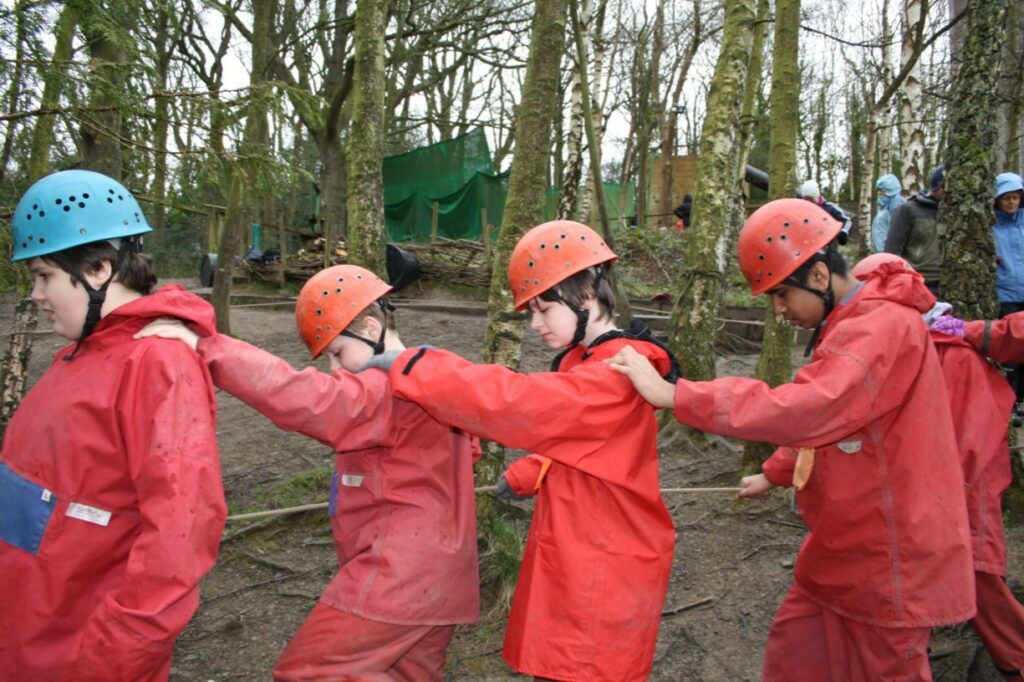
How Outdoor Residentials Empower SEND Learners
Tailored to Every Child
Every pupil deserves a trip that feels made for them. At Boundless Outdoors we plan residentials around the individual, adapting activities, rhythms and environments so every child can take part, feel safe and succeed.
That tailored approach is part of who we are, from our Nurturing and Trusted values to our straightforward, inclusive tone of voice.
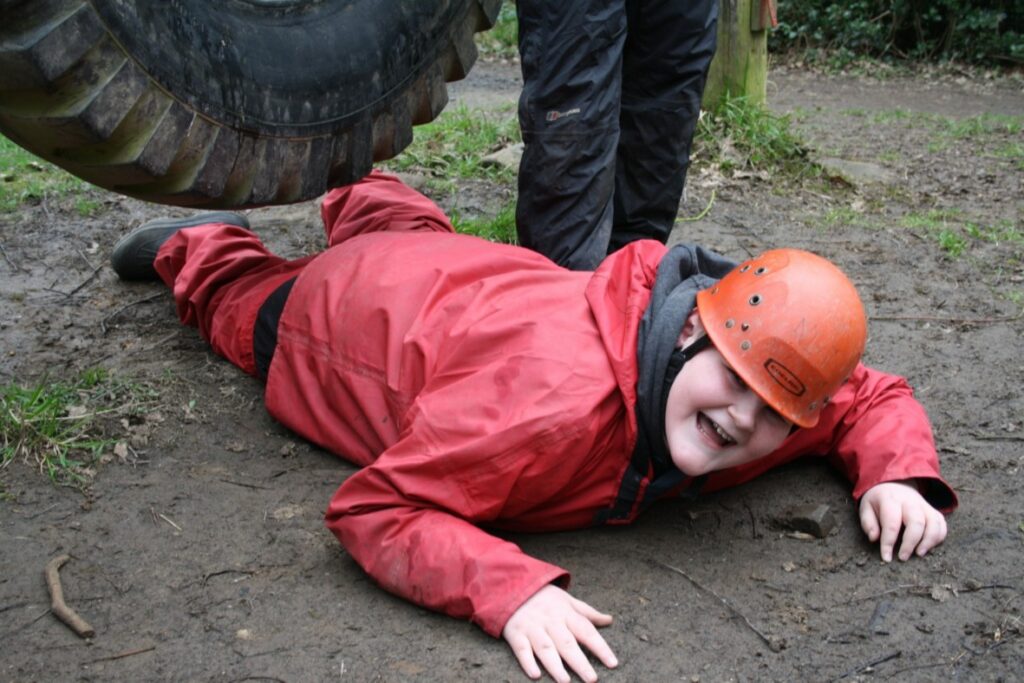
What the evidence says about outdoor learning for SEND
The research base around outdoor learning is encouraging. Natural England’s 2022 evidence briefing summarises a substantial body of studies linking time in natural environments with improvements in motivation, behaviour, attendance and some academic outcomes, with additional social and wellbeing gains. The briefing also notes positive behaviour changes observed in a special school after learning outdoors.
Learning Away’s long running “Brilliant Residentials” initiative found that well designed residentials strengthen relationships, boost engagement and create lasting gains for pupils and staff. Their evaluation emphasises inclusive design, explicit links to curriculum and co-planning to meet specific learning needs.
For autistic children specifically, Natural England commissioned research reporting benefits from engagement with nature and practical guidance on how to enable these experiences. Practitioners describe nature as a supportive context for communication, regulation and confidence.
The Education Endowment Foundation’s current view is that evidence for direct academic gains from outdoor adventure learning is limited, while studies do indicate benefits for non-cognitive outcomes like resilience, self confidence and teamwork. In practice, that means schools can use residentials to strengthen the attitudes and skills that underpin learning, while evaluating academic effects locally.
Why residentials help SEND learners
-
- Time and space to belong. Overnight stays deepen friendships and teacher pupil relationships, which supports confidence and participation back at school.
-
- Sensory smart environments. Natural settings can lower stress and support self regulation. Planned quiet zones, predictable routines and clear visual communication help many SEND pupils access challenge safely.
-
- Motivation through meaningful challenge. Problem solving and collaborative tasks grow self efficacy and teamwork, which are linked to better engagement in class.
How Boundless tailors every stay
-
- People first planning. We co design itineraries around your pupils’ needs and your curriculum outcomes. Our teams adapt pace, group sizes and instructions so each child can progress. That personalised approach is a core point of difference for Boundless.
-
- Accessible facilities. Both centres offer step free options, accessible showers and toilets, and our Malvern chalet is on one level. We can accommodate groups with additional needs and provide hydraulic beds where needed.
-
- Activities with flexible entry points. From low ropes and orienteering to bushcraft and canoeing, we tailor the challenge. We routinely adapt tasks for different abilities so everyone experiences success.
-
- Values that match your ethos. Passionate, Inspiring, Nurturing and Trusted are not posters on a wall. They shape how we brief, support and celebrate your pupils.
A simple framework for SEND friendly residentials
Use these evidence informed steps when planning your trip.
- Start with needs and outcomes. Map individual needs to clear goals such as communication, independence or friendship skills. Brilliant Residentials emphasises setting explicit learning objectives and integrating the trip with classroom work before and after.
- Co design the experience. Involve pupils and families early. Build in familiarisation, visuals, social stories and choice. Natural England’s autism report highlights the value of preparation and clear information.
- Tune the environment. Plan quiet spaces, signal free time, predictable routines and sensory supports. Natural settings can aid regulation and mood, but individual adjustments matter.
- Differentiate the challenge. Offer tiered task options and roles so pupils can opt in at a level that feels safe. Use success steps and positive feedback to grow self efficacy. EEF notes the benefits for non-cognitive skills when challenge is well scaffolded.
- Make learning stick. Schedule reflection during and after the trip. Back in school, revisit goals and capture pupil voice. This is a key mechanism for sustained impact identified by Learning Away.
What this looks like at Boundless
-
- Calm arrival and orientation. Visual schedules, quiet corners and consistent adults help pupils settle. Our teams brief in plain English and model every activity first. That aligns with our Straightforward, Approachable tone.
-
- Choice within structure. On the high ropes, pupils can start with ground based roles, move to the low elements, then progress when ready. In bushcraft, sensory seekers may lead fire building while others focus on shelter or knot work.
-
- Accessible accommodation. Single level options at Malvern and step free access at both sites support safe routines for personal care and rest.
Reassurance for SENDCos and parents
We know safety and wellbeing are non negotiable. Boundless holds AALS licensing and quality marks including Adventure Mark, LOtC and AHOEC Gold. We operate rigorous risk assessments while preserving purposeful challenge.
Ready to plan a tailored residential?
Tell us about your learners and goals. We will co create a programme that meets needs, builds confidence and makes memories for life. Outdoor learning should belong to every child, and with thoughtful design it can.